Listen to this blog

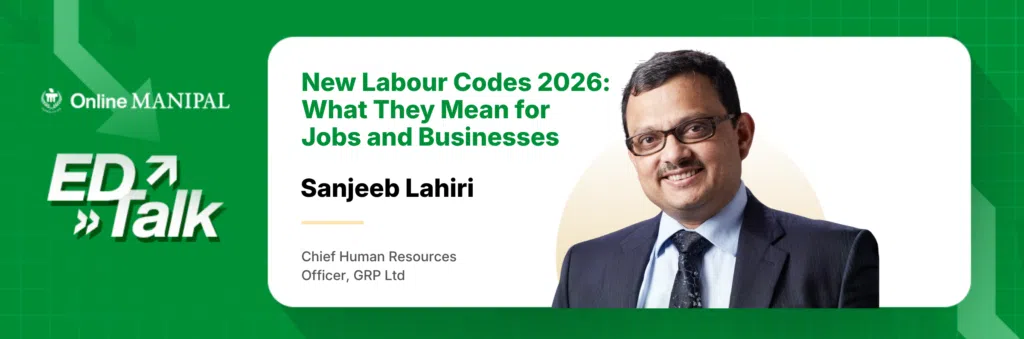
The landscape of Indian labor law is undergoing its most significant transformation since independence. For decades, we operated under a complex web of pre-independence regulations designed more for a colonial era than a digital-first economy. But that is changing. As we move into 2026, the consolidation of 29 central labor laws into four streamlined codes isn’t just a legal update; it’s a complete paradigm shift for businesses and professionals alike.
I’ve seen industries rise, and workforce dynamics evolve, but the implementation of these new codes marks a unique turning point. Whether you are an employer trying to stay compliant or a professional looking to safeguard your career, understanding these changes is no longer optional.
Why the Shift? From “Jumbled Up” to Streamlined
For years, our labor laws were inconsistent. A simple term like “wage” was defined differently across the Factories Act, the Minimum Wages Act, and the PF Act. This inconsistency created a compliance maze that hindered the ease of doing business. In late 2018 and 2019, the government began consolidating these 29 laws into four distinct pillars:
- The Code on Wages: Standardizing everything related to salaries and payments.
- The Industrial Relations Code: Defining modern employer-employee relationships.
- The Code on Social Security: Creating a universal safety net for the workforce.
- The Occupational Safety, Health, and Working Conditions Code: Mandating health standards for all sectors, including IT and services.
The previous framework was built when the economy was far less complex. Today, India’s economy is heavily tilted toward the IT and service sectors, which were largely ignored by older laws. By standardizing definitions and rules, the government is finally addressing the 21st-century reality.
The 50% Rule: A New Reality for Salaries
One of the most talked-about changes is the unified definition of wages. I’ll be honest with you: I’ve spent 14 years in the ICT space, and I’ve been “party to the crime” of designing those weirdly structured salary slips with Component A, Component B, and various coupons or reimbursements.
The law doesn’t care about your CTC (Cost to Company); it focuses on total remuneration. Under the new code, your social security contributions (like PF) must be calculated on at least 50% of that total remuneration. This means many organizations, especially in the IT sector, are currently grappling with how to restructure their pay scales without drastically reducing the take-home pay of their employees. This transition is a massive undertaking, as it requires a complete rethink of how we value and deliver compensation.
Recognizing the Gig Economy and Migrant Workers
India is making history by being one of the first countries to legally recognize gig and platform workers. Whether it’s someone delivering for a food app or driving for a ride-sharing service, the law now aims to bring them under a social security umbrella.
We’re also seeing a more powerful recognition of migrant workers. Previously, a worker only had legal protection if they were tied to a contractor. Now, the law acknowledges the constitutional right to freedom of employment across state lines, easing the process for those who move for work. This shift ensures that protection follows the worker, not just the contract.
An interesting read: Career Options in Arts: A Complete Guide
Key Changes You Need to Know
The new codes bring several structural improvements to how businesses operate:
- Ease of Business: Organizations with up to 300 workers can now streamline operations or exits without the previous hurdle of government approval – up from the previous limit of 100 workers.
- Digitization: The era of mandatory paper records is ending. If your organization is digitized, the law finally recognizes those digital footprints as valid records.
- Facilitation over Inspection: We are moving away from the old “Inspector Raj”. The new “Inspector-cum-Facilitator” role is designed to help businesses comply rather than just penalize them.
- Dispute Resolution: Labor courts are being abolished in favor of Industrial Tribunals. If a conflict isn’t settled there, it goes straight to the High Court, streamlining the legal process.
The Implementation Journey
While the Parliament has adopted these laws, the actual implementation is a complex moving target. Because labor is a state subject in our Constitution, the central government can set the rules, but each individual state must implement them.
As of now, most states have published their draft rules, but we are still waiting for a finalized, nationwide implementation date. Some states are ready to hit the ground running, while others have yet to publish any rules at all. This creates a temporary period of uncertainty for multi-state organizations, making it even more critical for leadership to stay informed.
Read more: MA in Economics vs MA Political Science – Online Manipal
Embracing the Future
The transition to these codes marks the end of an era and the beginning of a more agile, modern workplace. For professionals and students, this is a time of immense opportunity. The laws are finally catching up to the reality of the 21st-century workplace. Understanding these shifts won’t just make you a better manager; it will make you a more resilient professional in a competitive market.
If you are looking to deepen your understanding of these evolving corporate dynamics and workforce management, the MA in Political Science from SMU Online provides the strategic foundation needed to navigate these very changes. Staying ahead of the curve is the only way to thrive in this new era of Indian labor.
Prepare for your next career milestone with us