Blogs

Customer Success: The Retention Advantage
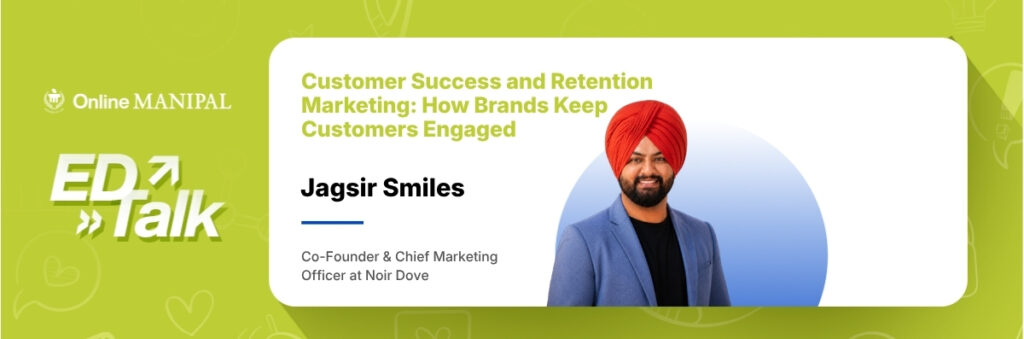
Listen to this blog

Winning a customer feels like a victory. But it isn’t the finish line. The real test begins after the sale. Do customers get the value they expected? Do they have a reason to stay? Will they renew, expand their relationship with your business, and recommend you to someone else?
In my career leading revenue systems and commercial strategy across global tech markets, I’ve learned one thing repeatedly: clarity changes everything. Marketing helps us test hypotheses and understand how buyers behave. Yet many businesses continue to spend heavily on acquiring new customers while overlooking the people they’ve already won.
Acquiring a new customer can cost 5 to 25 times more than retaining an existing one. That’s why customer success and retention marketing should sit at the heart of any sustainable growth strategy.
Why Customer Success Matters for Revenue Growth
Customer success isn’t simply an engagement function. It directly influences revenue and protects Net Revenue Retention (NRR). When customers see the value, they are promised, they’re more likely to stay. They renew contracts, expand their relationship with the business, and refer others. Even a 5% increase in customer retention can increase overall profits by 25% to 95%.
I’ve always believed that the best way to understand customer success is to ask the customer. Earlier in my career, while running sales teams, I made it a habit to mark my calendar for a 90-day check-in whenever I onboarded a buyer. I’d ask a simple question:
“Did you realize the exact value you expected?” The answer told me a lot. When customers were happy, I’d record their words. Those direct quotes often became powerful testimonials for future buyers. A satisfied customer wasn’t just more likely to stay. Their experience could also help reduce the cost of acquiring the next customer.
Read more: Consumer Behavior in Marketing: Meaning, Nature, and Scope
Build a Strong Customer Retention Strategy
A good retention strategy doesn’t rely on occasional check-ins. It creates a consistent customer experience throughout the relationship. Here are four areas I focus on:
1. Get Customer Onboarding Right
The first 90 days matter enormously.
A customer needs to understand what they’ve bought, how to use it, and what success should look like. A structured onboarding process can reduce customer drop-off by up to 67%. Don’t leave customers wondering what happens next. Give them a clear path to value from the beginning.
2. Create Lifecycle Touchpoints
Customer relationships need regular attention.
Map interactions across the entire customer lifecycle and create structured touchpoints at 30, 90, 180, and 365 days. These don’t always need to be sales conversations. A personalized note for a milestone, anniversary, or birthday can make a customer feel remembered. Sometimes brands remember these dates before personal friends do. That level of attention matters.
3. Keep Checking for Value Realization
Customers don’t stay because they buy something. They stay because it delivers value.
That’s why I believe businesses should continuously ask whether customers are achieving their desired outcomes. According to the Forrester finding, buyers who see measurable ROI within 60 days are three times more likely to expand their contracts. The lesson is simple: don’t wait until renewal to talk about value.
4. Act Before Customers Churn
An unhappy customer shouldn’t be ignored.
In fact, their feedback can tell you exactly what needs to be fixed. When a business listens, addresses the problem and follows through, it can build stronger loyalty than if the problem had never happened. Customer retention isn’t about avoiding every problem. It’s about responding well when problems appear.
Personalization Makes Retention More Effective
Customers expect businesses to understand them.
McKinsey research cited in the transcript shows that 80% of consumers are more likely to purchase when brands offer personalized experiences. The challenge is doing this at scale without making every interaction feel automated. Three approaches can help:
- Use behavioral segmentation. Group customers according to how they actually use your product instead of relying only on demographics. Spotify, for example, can identify high-frequency listeners as power users and create tailored rewards around their behavior.
- Use triggered messaging. Event-based communication can make engagement feel timely and relevant. Duolingo sends congratulatory messages when learners master a new word or complete a streak.
- Create segment-specific success plans. Different customers often need different onboarding experiences. HubSpot, for example, creates 90-day execution plans based on customer categories.
Personalization doesn’t mean sending millions of different messages. It means understanding what matters to different customers and responding accordingly.
You may be interested in: 4 A’s of Marketing: What You Should Know
Create Engagement Loops That Bring Customers Back
Retention also depends on staying relevant between major interactions. Humans forget quickly. That’s one reason brands continue communicating with active users instead of assuming that one successful transaction will keep them engaged forever.
A useful engagement loop connects three things:
- A trigger or signal
- A specific customer action
- A clear reward
Then measure what happens next.
Notion uses weekly digest emails to show team updates and encourage re-engagement. Salesforce uses gamification, including digital badges and status ranks, to encourage progress. Slack sends weekly usage summaries that highlight active channels and reinforce the value customers are getting from the platform. These aren’t just messages. They remind customers why the product matters.
Identify the Warning Signs of Customer Churn
Churn rarely happens without signals. 42% of churned customers leave because they feel the company simply didn’t care. It also notes that about 67% of customer churn is entirely preventable when businesses catch early warning signs. I’ve found that businesses need to pay close attention to five signals:
- Usage decline: Customers suddenly log in less often or reduce their activity.
- Frustration feedback: Survey scores and customer feedback start showing dissatisfaction.
- Loss of an internal champion: Your main contact leaves the organization, potentially weakening the relationship.
- The value gap: What the customer expected doesn’t match what they’re actually experiencing.
- External budget pressure: Market conditions can force customers to reduce operational spending.
These signals shouldn’t sit in a dashboard waiting for someone to notice them. They should trigger action. Retained buyers can generate 1.5 times more revenue expansion than fresh prospects. That’s a strong reason to invest in understanding existing customers before looking for the next one.
Put Customer Lifetime Value at the Centre
A transactional mindset can limit long-term growth. Instead, think about Customer Lifetime Value (CLTV):
CLTV = Average Revenue Per Customer × Gross Margin × Customer Lifespan
There are three ways to improve it:
Level 1: Increase Average Revenue Per Customer
Create account expansion playbooks and price according to delivered value rather than simply calculating production costs.
Level 2: Protect Gross Margins
Structured onboarding can reduce service costs. Low-touch interactions can be automated, while high-touch customer success teams can focus on valuable customer segments.
Level 3: Extend Customer Lifespan
Start renewal conversations at least 90 days before contracts expire. Offer multi-year pricing incentives where appropriate. Build deep product integrations that make the solution increasingly valuable and difficult to replace. Each level supports the same goal: creating more value from relationships that already exist.
Keep Technology Smart and Human
AI can handle basic execution. It can help businesses track behavior, trigger communications, and manage routine interactions. But automation shouldn’t remove the human element.
Over-automating customer communication can make every interaction feel generic. The strongest retention strategies combine smart data tracking with genuine human outreach. Customers want efficiency. They also want to feel understood.
An interesting read: What is Artificial Intelligence (AI)? Meaning, Types, Applications, Careers & Future
Make Retention Part of Your Growth Strategy
Customer retention isn’t a support activity that happens after marketing and sales finish their jobs. It’s a revenue strategy. When businesses invest in customer success, they create better onboarding experiences, identify problems earlier, demonstrate value consistently, and build stronger customer relationships. Those relationships can lead to renewals, expansion, referrals, and lower acquisition costs.
For professionals looking to build stronger skills in marketing strategy, customer behavior and data-driven growth, structured business education can provide the right foundation. Manipal Academy of Higher Education’s Online MBA in Marketing and Online BBA offer opportunities to develop practical knowledge that can support modern marketing and revenue-focused careers.
The next customer may drive your next sale. But the customers you already have can drive your long-term growth.
Prepare for your next career milestone with us



Explore Similar Blogs
View All
 19 Oct 2026
 9 mins
 11 Sep 2026
8 mins
 08 Sep 2026
6 mins
 07 Sep 2026
6 mins